anwarelkamony

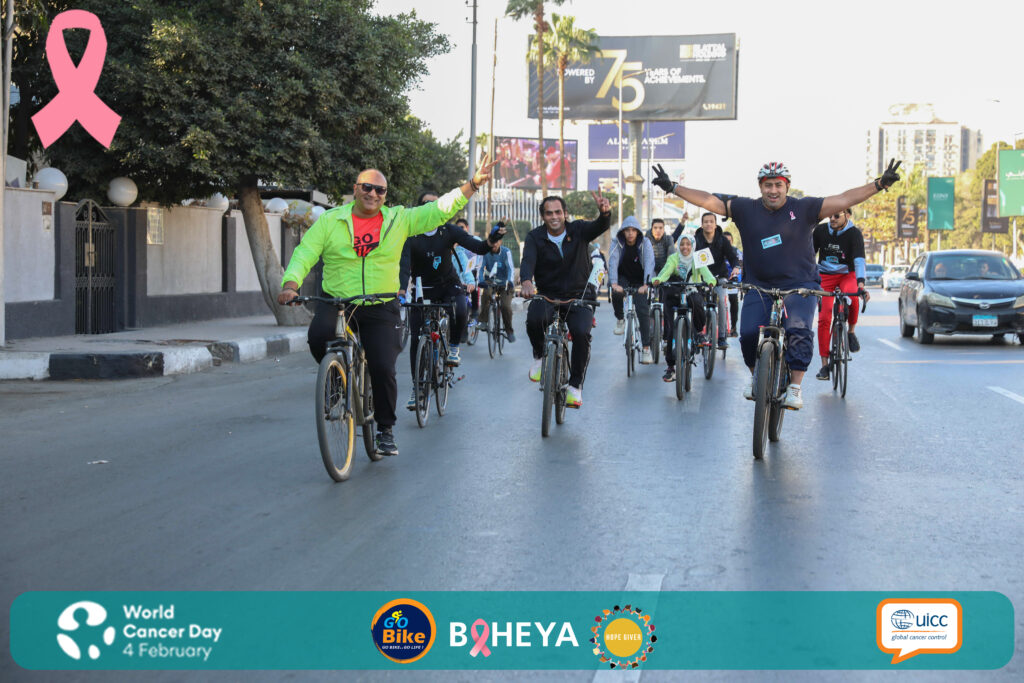
“Cycle for a cause” on a World Cancer Day 2023

“Cycle for a cause” on a World Cancer Day 2023 On the occasion of #worldcancerday, the Hope Giver campaign in collaboration with GO BIKE and Baheya Foundation for early detection and treatment of breast cancer organized an awareness cycling ride. Gathering different types of participants from Cairo, the ride was a huge success! This sporting event activated the sport’s role in supporting society and spreading health and awareness culture. The marathon included a breast cancer awareness briefing, as well as giving appreciation certificates to all participants. Thank you to everyone who participated and supported us!  Photo Highlights Video Highlights

“Cycle for a cause” on a World Cancer Day 2023 Read More »

“Friendship” – Articles by Tania Shah

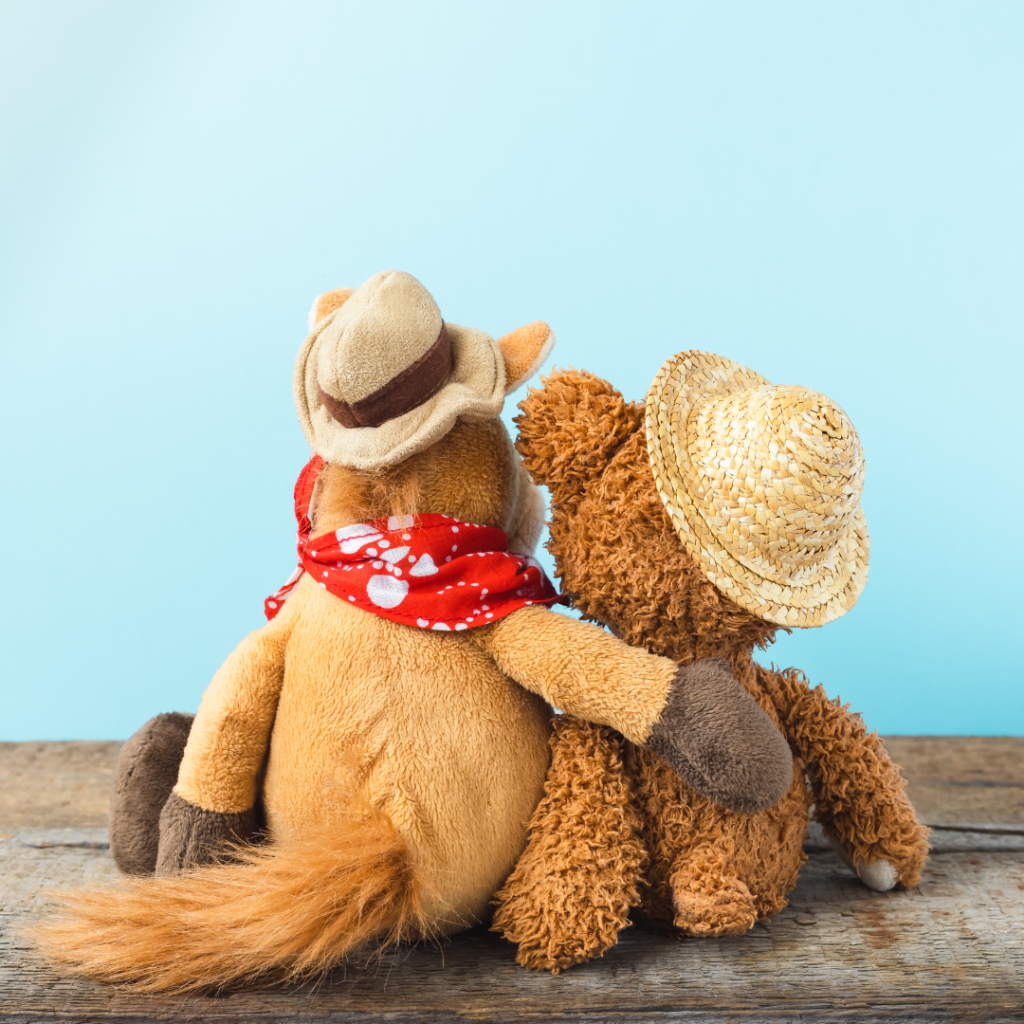
“Friendship” SELF-LOVE AND AWARENESS ARTICLES BY TANIA SHAH Have you ever had a falling out with a close friend and wondered where it all went wrong? It’s common for friendships to come to an end due to misunderstandings, differences in opinions, or simply growing apart. It can leave us with feelings of hurt, anger, and sadness. However, it’s important to keep in mind that sometimes friendships run their course, and it’s okay to let go and move on. It’s important to address any issues and try to work through them, but if it’s clear the friendship is over, it’s best to focus on the positive memories and lessons learned. The idea of best friends is an illusion, why! The idea of having one best friend who will always be there for you, no matter what, is a popular belief. People are individuals with unique thoughts, beliefs, and experiences, which makes it impossible for one person to fulfill all of our emotional and social needs. Having friends who fill different roles in our lives can actually be beneficial and realistic. For example, one friend may be the go-to person for advice on relationships, while another may be the one we turn to for a fun night out. It’s important to recognize that having a variety of friends can provide us with a broader support system and make our social lives more interesting and fulfilling. While the idea of having one best friend who fulfills all of our emotional and social needs is a romantic notion, it’s not a realistic expectation. Embrace the diversity of friendships in your life, and appreciate the different roles that your friends play in supporting and enriching your life. Why we cutting communication with them? In today’s fast-paced world, it is common to lose touch with people. However, when it comes to cutting all forms of communication, the reason could be rooted in the different backgrounds of individuals involved. Everyone comes from a unique set of experiences, beliefs, and values that can impact how they interact with others. What one person may perceive as harmless behavior, another person may find offensive or hurtful. What can we do to maintain our friendship? Friendship requires effort and understanding from both parties involved. One important aspect of safeguarding our friendships is learning how to set Healthy Boundaries. We need to be willing to communicate our needs, desires, and limitations in a way that respects ourselves and our friends, while creating an environment that fosters mutual respect and Trust. It’s essential to recognize that Healthy Boundaries are not about controlling others, but rather about protecting ourselves and our relationships. We also need to be willing to listen and be open to feedback from our friends, as well as taking responsibility for our actions when we breach their trust or disrespect their boundaries. With a commitment to healthy boundaries, we can keep our friendships safe and flourishing for years to come. Final Advice In our lives, we encounter many individuals who are not identical to us. Each person is unique, with their own set of experiences, beliefs, and characteristics. As we interact with others, we should value their uniqueness and recognize that we can learn from them. By doing this, we can broaden our understanding of the world and develop greater empathy and understanding towards others. It is crucial to appreciate the diversity that exists among people and use this as an opportunity for personal growth and development. Let us always treat others with kindness and respect, respecting their individual identity and worth.
“Friendship” – Articles by Tania Shah Read More »

Adolescence – the changing sense of balance by Maria Lourdes A. de Vera

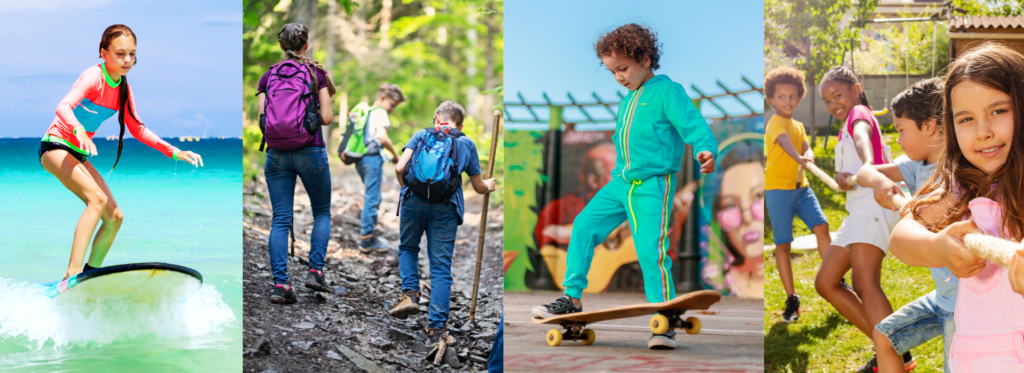
CHILD DEVELOPMENT ARTICLES BY MARIA LOURDES A. DE VERA Adolescence – the changing sense of balance Adolescence is a transitional age. A time when physical growth and development happen rapidly. Good posture and posture regulation is the basis for almost every movement. Most adolescents are awkward in their posture and tend to be just a little bit clumsy. The fundamental motor skills in adolescence are posture and stability. They represent the basis for daily routine tasks and athletic activity. There are sudden and rapid physical changes that adolescents go through. It accounts for their very self-conscious, sensitive, and worried self-image. They tend to make painful comparisons about themselves with their peers and feel bad. Much emotional turmoil happens at this stage. Posture can show a person’s mood and mental state! Confidence and posture are indicators that tend to show happiness. Increased feelings of depression and unhappiness tend to show when walking or sitting in a slouched position. Poor posture can lead to strain in tendon and joint structures. Posture weakness is already present in children and adolescents in the form of a hollow back, hanging shoulders, or an anteverted pelvis. The changing sense of balance may account for the youthful need for something new and different likewise the tendency to act impulsively. The parts of the brain involved in keeping emotional and impulsive responses balanced and in check are still reaching maturity. A healthy physical activity develops the brain, enhances the adolescent’s physical, emotional, ethical and spiritual aspects, and provides a vital pathway for self-exploration. Surfing, Skateboarding, Camping, Mountain hiking are activities that provide a venue to test physical limits, strength. However, in the Lower School cooperative games are recommended and competitive sports in Middle and High School. Children need to develop how to participate and interact cooperatively. Adults must be able to foster the understanding that competitive sports is not about winning the game. It is more like finding out one’s best skill. Active participation in team sports is encouraged to develop social sensitivity and to strengthen different abilities at each stage of development. Adolescence is an awkward time growing up. They are adjusting to their physical changes and growth. Creative activities like juggling, riding a unicycle and tumbling tend to improve posture, balance, coordination, self-confidence and strength. Providing healthy activities cultivates an awareness of oneself, personal space and group space. They learn how to handle their dynamic energies and strength by harnessing these innate forces within them into something positive. Creative activities such as dance, drama, poetry, visual arts and music provide the space for adolescents to explore and appropriately express their emotions. A healthy environment that provides them with activities develops focus and harnesses their behavior. The adolescent shows an expanding need for social life, an appetite for exploration and limited testing. Strengthening the adolescents’ ability to understand, regulate and express emotions enables them to manage through their social environment. Confidence and Expression can be developed through artistic activities where their attention is turned to do something creatively affirmative. Drama, Dance, Music and Arts refines gestures and social sensitivity. A healthy balance between sports and arts must be achieved. Creativity bridges that transition from childhood dependence to adult independence. Linkedin Twitter Instagram

Adolescence – the changing sense of balance by Maria Lourdes A. de Vera Read More »

Shopping Cart