anwarelkamony

Ambassadors of Hope - Jeremy de Champris

Meet Jérémy de Champris – Our Ambassador in Japan

Meet Jérémy de Champris – Our Ambassador in Japan Jérémy de Champris is a French illustrator/music composer living in Tokyo. Originally from Paris, Jérémy moved to Dubai (UAE) in 2009. Playing electric guitar since the age of 10, Jérémy started studying audio engineering after graduating from high school – which is the time Smith Pearlson was born. Smith entered a blues/rock band as their bass guitarist while improving his composition skills in the meantime. His audio studies raised his awareness of sound and music’s rules and technical aspects – finally allowing him to bring any melodic idea to life! He graduated in October 2014.   Previous image Next image November 11th, 2014. Dreadful road accident. “November 11th at 5:45 in the morning, I was dying. I fell into a coma and woke up after 5 weeks. I had 20 surgeries – including 15 brain surgeries. I had diplopia. Though, I wasn’t blind. Unilateral hearing. Though, I wasn’t deaf. Taste and smell disorders. Though I could still eat and breathe. 21 years old, right at the dawn of life – in a wheelchair. Though, I wasn’t dead. I realized how different my future life shall be and all I could see was the painful reality. The will to live I’ve been building up to the present was gradually disappearing… Drawing was my forever hobby, and going to Japan was a childhood fantasy. Then the idea was born: I’ll start from scratch, drawing, in Japan.A slight light was finally emerging, in this terrible nightmare. From that time on, I practiced walking with crutches without using a wheelchair as much as I possibly could. After a year and a half of daily hard practice, I was finally able to stand by myself. So that was it: “time has come.” I left for Japan alone, leaving my family in Dubai.” – Jérémy de Champris    Previous image Next image Drastic change. Left with no choice, Jérémy switched to the other skill he always ever had besides making music. Kept as a hobby since always, he restarted drawing. September 2018  – Jérémy moved to Japan. Going to Japan was a fantasy Jérémy always kept to himself ever since his childhood. His ambitions turned into reality earlier than expected!  “Now, it will soon be 3 years that I live in Japan. Walking a lot and talking with people every day made my physical condition and my mind miraculously improve. The way I’ve been thinking a few years ago, I’m sure I’ll be able to live life again, someday. So here we are. I want it, so I will.” – Jérémy de Champris 

Meet Jérémy de Champris – Our Ambassador in Japan Read More »

Nature Walk for Kids - by Maria Lourdes A. de Vera

Nature Walk for Kids by Maria Lourdes A. de Vera

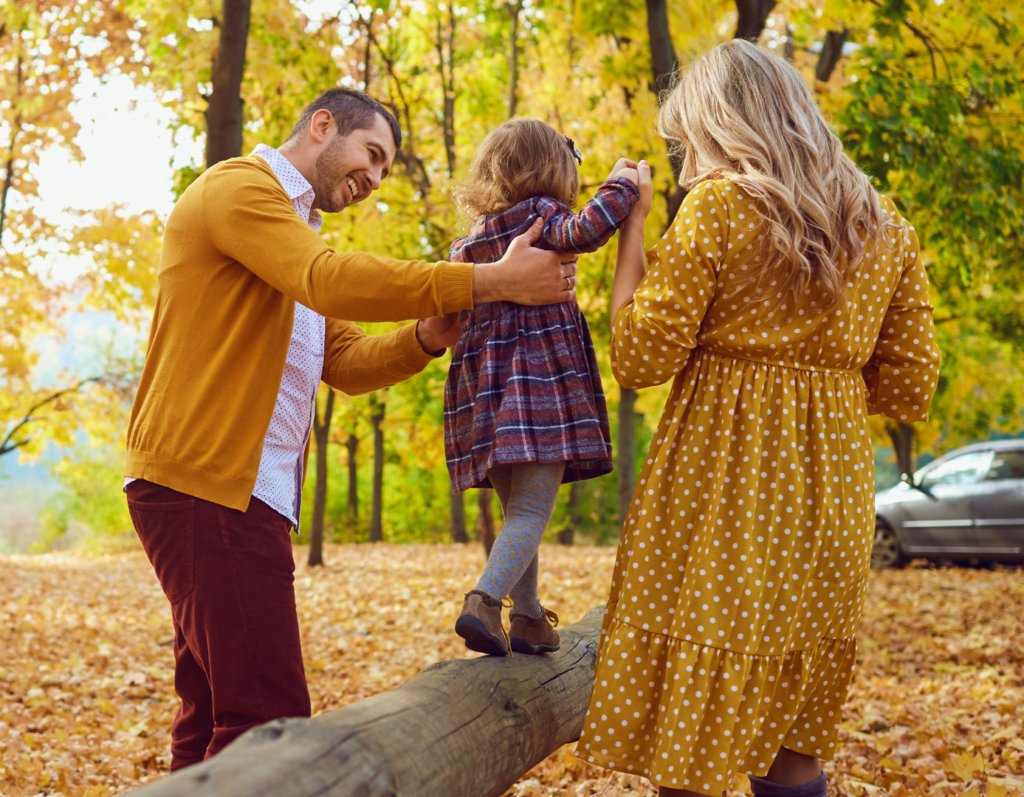
CHILD DEVELOPMENT ARTICLES BY MARIA LOURDES A. DE VERA Nature Walk for Kids A walk in the park is exciting, refreshing and energizing. We feel a rejuvenating effect in our bodies. We breathe in more oxygen, clean air and the positive ambiance creates a much more affirmative and relaxed mood. Breathing out stress and unconsciously exhaling all our troubles away. For any child, nature walks are magical and enchanting. Just what do trees and forests give? With nature walks, exposure to fresh air boosts our immune system and helps build a stronger response against common viruses, colds and the flu. Every walk is a wonderful opportunity for children to learn about the natural world. It is likewise, a great way to create beautiful and lasting memories with your children. To share discovering new things by looking closely at the different shapes, sizes, colors, textures and structures of leaves and flowers. It strengthens emotional connection and improves communication skills in children. The wonder of tall trees, picking fruits, the smell of rain, and the feel of wet grass under the feet are magical moments for a child. Spending time under the tree, in the forests, in the mountains, or just outdoors in the garden can lead to significant health benefits for adults and children. Connecting with Nature improves mental health, and enhances sensory experiences – tactile, visual, auditory, and orientation to time and space. Exposure to forests and trees is fun, physically healthy and provides adequate and appropriate sensory stimulation. ● Calm autistic children● Increases energy level and improves mental processes● Improves sleep, focus and brain function● Boosts the immune system.● Makes the child sensitive and perceptive of his environment● Lowers blood pressure.● Reduces mental stress and improves attention. ● Improves mood and increases alertness● increases ability to focus, even in children with ADHD What you find in nature walks are real footprints of a life that cannot be replicated through screen time. Early childhood needs authentic outdoor experiences. The fast-paced and second-hand visual experiences taking place on the screen can alter the real-time perception of the surroundings and environment. Walk at different times of the day or night to increase your chances of seeing something new and something that nurtures natural curiosity. Prolonged and consistent exposure to video games cannot provide the same natural learning necessary for growth and important for the psychosocial and emotional development of children. The significant impact of touch and connection to the world around him translates into the essence of empathy. It is imperative for the well-being and health of a growing child. A short but regular visit to the park or nature walk provides the occasion to observe, engage and be part of the whole environment. It encourages children to observe with all their senses. It brings out their ability to orient in space and the ability to focus attention and the details around them. Nature Walk is a significant experience every child should have. It helps teach a child how to centre. It keeps them grounded and provides a reflective and peaceful experience for children. Learning to calm the mind and the soul is an art. Linkedin Twitter Instagram

Nature Walk for Kids by Maria Lourdes A. de Vera Read More »

The Power of Play - by Maria Lourdes A. de Vera

The Power of Play by Maria Lourdes A. de Vera

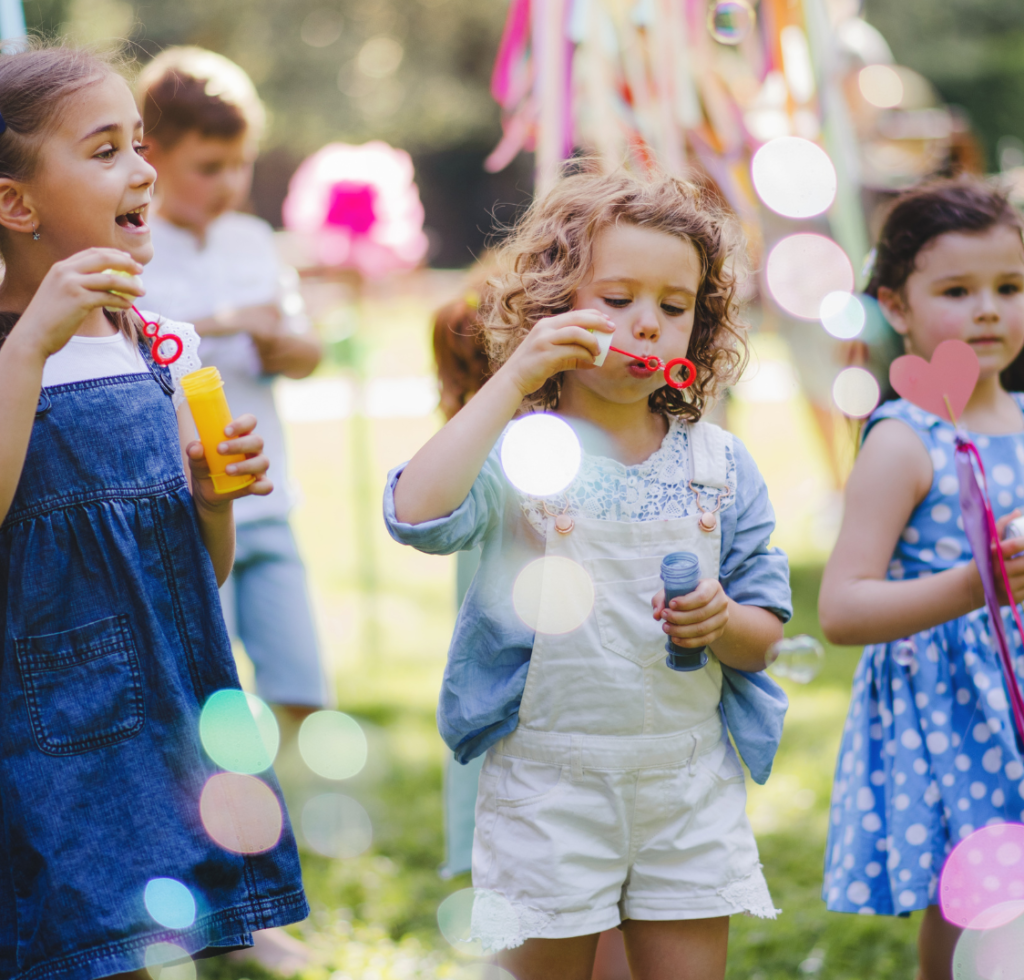
CHILD DEVELOPMENT ARTICLES BY MARIA LOURDES A. DE VERA The Power of Play Play for Life | The positive effects of play on children are lifelong. The play has a direct influence on social, emotional and physical health. Play is everything to a child. Engaging with children at play shows that parents or significant adults are interested and respect their play. It is one way of showing our interest in what matters to them. It facilitates better communication and fosters better connections between adults and children. This, in turn, teaches children that respect, trust and love are the cornerstones of healthy relationships. An important foundation for the emotional state that is most conducive to fostering the learning brain. As we all grow into maturity, Play is to the child and work is to the adult. But we all understand that in times of stress and mental fatigue, adopting a playful attitude is an easy way to boost your mood. The play has cathartic effects that support and also benefit adults’ emotional well-being. Under the Convention on the Rights of the Child, Play is listed as one of the basic rights of the child. Play Promotes Physical Fitness | Jumping, running under the sun, tumbling dancing in the rain are things that a child would love to do. The freedom to be. To have the freedom to pursue what interests them is the foundation of curiosity. Play enhances curiosity and a curious mind is open and ready to learn.No matter what the weather, any occasion is an opportunity for a child to play. Play improves coordination, movement and agility. It strengthens gross and fine motor skills, it builds and tone muscles and develops balance and flexibility. Physical play develops the body while having all the fun. Optional but not required children don’t need to be entertained by things and gadgets. Fun is not determined by what you acquire. It is learning to be happy with what you already have. Play does not involve expensive toys. Children don’t need fancy toys and extreme gadgets to make them happy. What they need is Time, Space and the Freedom to explore and experience the world around them in a healthy way. Adult supervision usually, the parent does not mean controlling but rather being present. Helping them develop independence and self-regulation. Play Encourages confidence and Greater Independence | Confidence is developed through mastery of simple developmental skills. Walking, crawling, jumping, and running are just a few examples of developmental skills that a child can do. Independence comes when the child can perform these tasks with ease and confidence on his own. Space orientation is also a skill that is developed through play. Play is a space for a child to explore, experiment, expand within and experience the world that he is in. It is a significant experience to be able to fully immerse in his world of play, which expands his understanding of what is Life. He begins to connect with the world around him and realizes how systems work. The child learns more about himself as he relates to his peers and his environment. The element of curiosity and the joy of discovery are important events in the life of a child. That “Eureka moment”. Play ushers Emotional and Behavioural Benefits | Children learn relational skills which are basic building communities and upkeep of nature. Free and Unstructured, free play is particularly necessary for younger children. It facilitates the use of their imagination and the freedom to move at their own pace. The benefits of play include: It builds confidence and communication Understand more about how the world works Learn about caring for others and the environment Develop physical skills To appreciate what he has and be able to creatively utilize these resources, the child must be able to identify what he has and how to work with it. The child’s understanding and respect for life and living begin with knowing by heart his connection to everything around him. Play reinforces memory and helps to understand the cause and effect. Finding his connection to everything. Play is central to a child’s learning and development. When the child is fully engaged it gains tactile, visual, hearing and other sensory aptitudes that are not provided in real-time through gadgets. Play Builds Imagination and Creativity | When given time and space to play without restriction, the imagination can roam and they can explore ideas. The mind expands and visualizes anything. Innovation is born out of ordinary circumstances and elevated to greater heights of functionality. Engage with your children for some fun time together. Try to make houses by adding simple materials like drapes and cardboard boxes to an existing space. Make-believe games where you can pretend to creatively play inspires resourcefulness. It promotes healthy development and critical thinking skills. Doing things with your children helps them understand the value of collaboration without necessarily explaining it. They learn through acting and doing things. Play Fosters Cognitive Growth | It is important for children to have plenty of different types of play experiences. A variety of games and exploring different environments is good for social awareness, social, physical, emotional and imaginative learning and development. A diverse and wide range of games helps all areas of children’s development. Play is an avenue that gives children different sensory, physical and cognitive experiences. These Experiences build connections in the brain, which helps children develop physically, cognitively, socially and emotionally. Play is a spontaneous and natural learning environment that puts into challenge the psycho-social, emotional, physical and cognitive growth and development of the child. Linkedin Twitter Instagram

The Power of Play by Maria Lourdes A. de Vera Read More »

Shopping Cart