
Child Development Articles by Maria Lourdes A. de Vera

Nature Walk for Kids - by Maria Lourdes A. de Vera

Nature Walk for Kids by Maria Lourdes A. de Vera

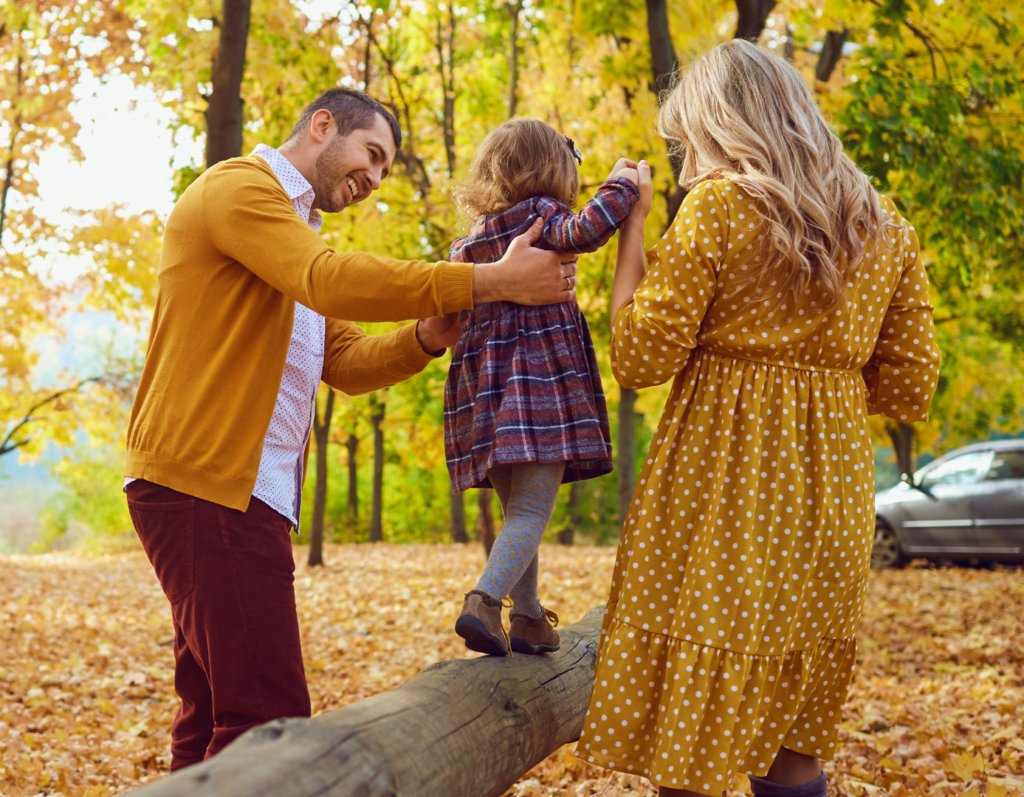
CHILD DEVELOPMENT ARTICLES BY MARIA LOURDES A. DE VERA Nature Walk for Kids A walk in the park is exciting, refreshing and energizing. We feel a rejuvenating effect in our bodies. We breathe in more oxygen, clean air and the positive ambiance creates a much more affirmative and relaxed mood. Breathing out stress and unconsciously exhaling all our troubles away. For any child, nature walks are magical and enchanting. Just what do trees and forests give? With nature walks, exposure to fresh air boosts our immune system and helps build a stronger response against common viruses, colds and the flu. Every walk is a wonderful opportunity for children to learn about the natural world. It is likewise, a great way to create beautiful and lasting memories with your children. To share discovering new things by looking closely at the different shapes, sizes, colors, textures and structures of leaves and flowers. It strengthens emotional connection and improves communication skills in children. The wonder of tall trees, picking fruits, the smell of rain, and the feel of wet grass under the feet are magical moments for a child. Spending time under the tree, in the forests, in the mountains, or just outdoors in the garden can lead to significant health benefits for adults and children. Connecting with Nature improves mental health, and enhances sensory experiences – tactile, visual, auditory, and orientation to time and space. Exposure to forests and trees is fun, physically healthy and provides adequate and appropriate sensory stimulation. ● Calm autistic children● Increases energy level and improves mental processes● Improves sleep, focus and brain function● Boosts the immune system.● Makes the child sensitive and perceptive of his environment● Lowers blood pressure.● Reduces mental stress and improves attention. ● Improves mood and increases alertness● increases ability to focus, even in children with ADHD What you find in nature walks are real footprints of a life that cannot be replicated through screen time. Early childhood needs authentic outdoor experiences. The fast-paced and second-hand visual experiences taking place on the screen can alter the real-time perception of the surroundings and environment. Walk at different times of the day or night to increase your chances of seeing something new and something that nurtures natural curiosity. Prolonged and consistent exposure to video games cannot provide the same natural learning necessary for growth and important for the psychosocial and emotional development of children. The significant impact of touch and connection to the world around him translates into the essence of empathy. It is imperative for the well-being and health of a growing child. A short but regular visit to the park or nature walk provides the occasion to observe, engage and be part of the whole environment. It encourages children to observe with all their senses. It brings out their ability to orient in space and the ability to focus attention and the details around them. Nature Walk is a significant experience every child should have. It helps teach a child how to centre. It keeps them grounded and provides a reflective and peaceful experience for children. Learning to calm the mind and the soul is an art. Linkedin Twitter Instagram

Nature Walk for Kids by Maria Lourdes A. de Vera Read More »
The Power of Play - by Maria Lourdes A. de Vera

The Power of Play by Maria Lourdes A. de Vera

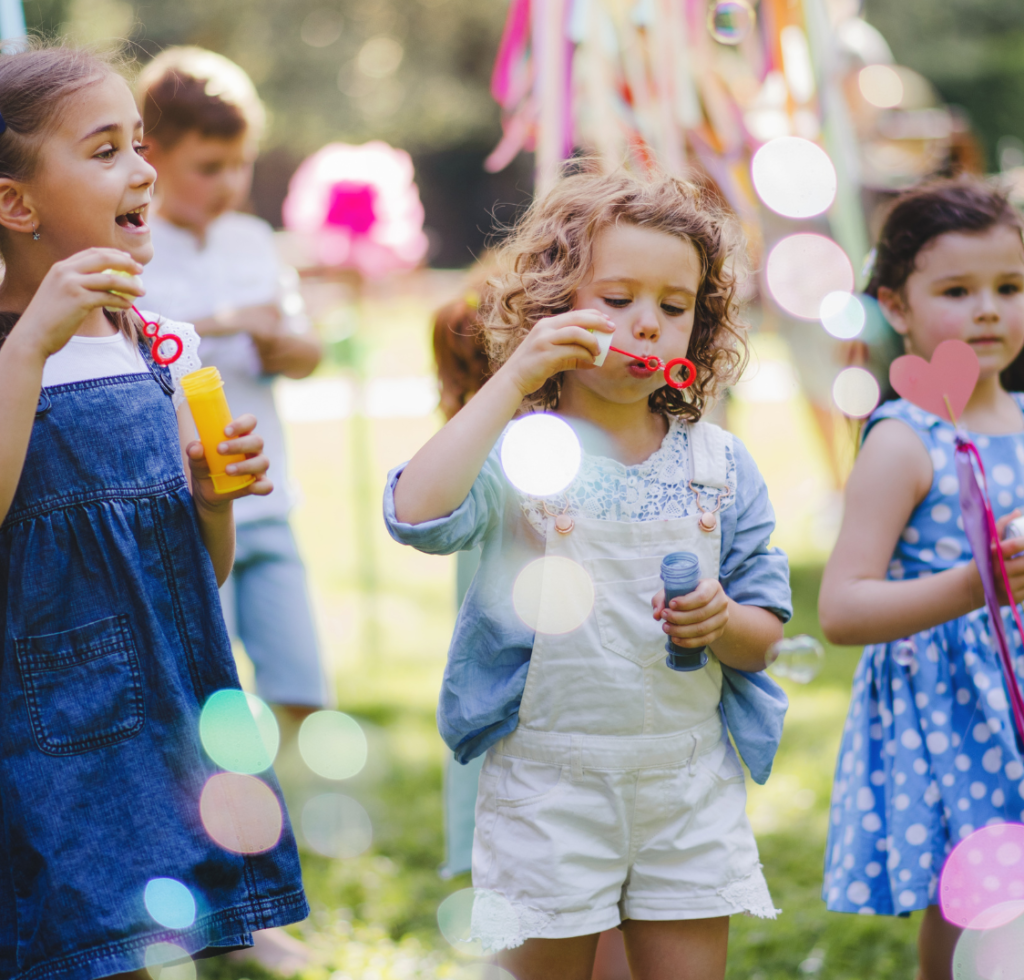
CHILD DEVELOPMENT ARTICLES BY MARIA LOURDES A. DE VERA The Power of Play Play for Life | The positive effects of play on children are lifelong. The play has a direct influence on social, emotional and physical health. Play is everything to a child. Engaging with children at play shows that parents or significant adults are interested and respect their play. It is one way of showing our interest in what matters to them. It facilitates better communication and fosters better connections between adults and children. This, in turn, teaches children that respect, trust and love are the cornerstones of healthy relationships. An important foundation for the emotional state that is most conducive to fostering the learning brain. As we all grow into maturity, Play is to the child and work is to the adult. But we all understand that in times of stress and mental fatigue, adopting a playful attitude is an easy way to boost your mood. The play has cathartic effects that support and also benefit adults’ emotional well-being. Under the Convention on the Rights of the Child, Play is listed as one of the basic rights of the child. Play Promotes Physical Fitness | Jumping, running under the sun, tumbling dancing in the rain are things that a child would love to do. The freedom to be. To have the freedom to pursue what interests them is the foundation of curiosity. Play enhances curiosity and a curious mind is open and ready to learn.No matter what the weather, any occasion is an opportunity for a child to play. Play improves coordination, movement and agility. It strengthens gross and fine motor skills, it builds and tone muscles and develops balance and flexibility. Physical play develops the body while having all the fun. Optional but not required children don’t need to be entertained by things and gadgets. Fun is not determined by what you acquire. It is learning to be happy with what you already have. Play does not involve expensive toys. Children don’t need fancy toys and extreme gadgets to make them happy. What they need is Time, Space and the Freedom to explore and experience the world around them in a healthy way. Adult supervision usually, the parent does not mean controlling but rather being present. Helping them develop independence and self-regulation. Play Encourages confidence and Greater Independence | Confidence is developed through mastery of simple developmental skills. Walking, crawling, jumping, and running are just a few examples of developmental skills that a child can do. Independence comes when the child can perform these tasks with ease and confidence on his own. Space orientation is also a skill that is developed through play. Play is a space for a child to explore, experiment, expand within and experience the world that he is in. It is a significant experience to be able to fully immerse in his world of play, which expands his understanding of what is Life. He begins to connect with the world around him and realizes how systems work. The child learns more about himself as he relates to his peers and his environment. The element of curiosity and the joy of discovery are important events in the life of a child. That “Eureka moment”. Play ushers Emotional and Behavioural Benefits | Children learn relational skills which are basic building communities and upkeep of nature. Free and Unstructured, free play is particularly necessary for younger children. It facilitates the use of their imagination and the freedom to move at their own pace. The benefits of play include: It builds confidence and communication Understand more about how the world works Learn about caring for others and the environment Develop physical skills To appreciate what he has and be able to creatively utilize these resources, the child must be able to identify what he has and how to work with it. The child’s understanding and respect for life and living begin with knowing by heart his connection to everything around him. Play reinforces memory and helps to understand the cause and effect. Finding his connection to everything. Play is central to a child’s learning and development. When the child is fully engaged it gains tactile, visual, hearing and other sensory aptitudes that are not provided in real-time through gadgets. Play Builds Imagination and Creativity | When given time and space to play without restriction, the imagination can roam and they can explore ideas. The mind expands and visualizes anything. Innovation is born out of ordinary circumstances and elevated to greater heights of functionality. Engage with your children for some fun time together. Try to make houses by adding simple materials like drapes and cardboard boxes to an existing space. Make-believe games where you can pretend to creatively play inspires resourcefulness. It promotes healthy development and critical thinking skills. Doing things with your children helps them understand the value of collaboration without necessarily explaining it. They learn through acting and doing things. Play Fosters Cognitive Growth | It is important for children to have plenty of different types of play experiences. A variety of games and exploring different environments is good for social awareness, social, physical, emotional and imaginative learning and development. A diverse and wide range of games helps all areas of children’s development. Play is an avenue that gives children different sensory, physical and cognitive experiences. These Experiences build connections in the brain, which helps children develop physically, cognitively, socially and emotionally. Play is a spontaneous and natural learning environment that puts into challenge the psycho-social, emotional, physical and cognitive growth and development of the child. Linkedin Twitter Instagram

The Power of Play by Maria Lourdes A. de Vera Read More »
Mindful eating for Children - by Maria Lourdes A. de Vera

Mindful Eating for Children – by Maria Lourdes A. de Vera

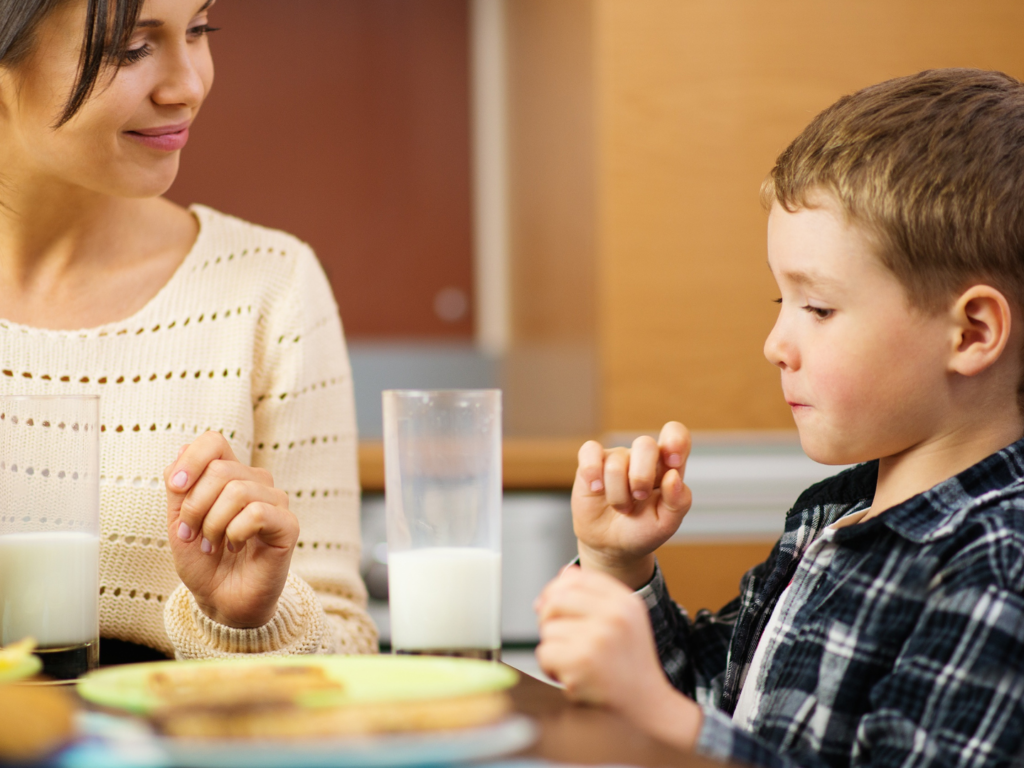
CHILD DEVELOPMENT ARTICLES BY MARIA LOURDES A. DE VERA Mindful eating for Children The practice of tuning in, slowing down, increasing awareness of thoughts, feelings, sensations without harsh judgments is Mindfulness. Teaching mindful eating to children is essential to establishing a healthy attitude towards food and eating. It develops a good rhythm and routine. This is a simple practice and won’t be a difficult task to learn. Routines help children know what to expect and make them feel secure. Orienting the child to the daily routine makes up order and sequence. A child learns more about daily schedules. They develop a feel for the “ Time Difference” between breakfast, lunch and dinner. What is mindful eating? For many of us, parents, caregivers or teachers, the demands of work and our busy daily lives often make mealtimes rushed affairs. Rushing through the crowded streets and traffic en route to the office can be stressful. Falling in line at a fast food can be cumbersome. Thus, we find ourselves eating in the car commuting to work, at the desk in front of a computer screen, or parked on the couch watching TV. Previous Next It is best to remember that Mealtime should be a time for eating — not for disciplining, arguing, sharing distressing news, doing other activities or watching television. The best mealtime atmosphere is bright, clean, relaxed and free of distractions. Make Mealtime Interesting and present Food in an Appealing Manner. Children develop a Mealtime Routine and begin to establish the same eating time. For children, mealtime is much more than just eating food. Mindful eating is about the attention given to food and focusing the senses and being present in the moment. One thing at a time. It is best to remember a few things like when teaching children about eating. Such as, do not force your child to eat, Do not bribe your child to eat or use food as a reward or punishment. Growing up children need to learn about preparation for mealtime. Allow a child to help in doing simple tasks like setting the table. Tasks that are age appropriate. No unnecessary distractions, children should not watch screens, or play with gadgets during mealtime while eating. It is suggested that children avoid using screens until they are 18 months old, or even older is better. Video-chatting with friends or family can be done after mealtime. Neither doing two things at the same time. Children may tend to play with food and on the table. If at all possible, ignore the misbehavior. If poor behavior continues, remove the food calmly without comment until the next mealtime or snack time. The goal is for your child to learn that mealtime is for eating, not playing.Allowing the child to have quiet time while eating is necessary to be mindful. Helping children to pay attention to the moment-to-moment experience of eating. Children are introduced to the different kinds of food, identity tasted and recognize the odor. Avoid serving meals when your child is overly tired, has gadgets, or watching TV. Previous Next Here are a few Mealtime Routines Focus on your child during mealtimes ● Face your child toward you or other family members at the table.● Proper Communication is learned when the family interacts.● For very young children limit distractions. Avoid letting TV, videos, cell phones distract your child from eating. Talk with your child during mealtimes. It is important for your child to have your attention.● Mealtimes can last 10 or 15 minutes, or for as long as your child can pay attention. Be Safe● Sit your child in a high chair.● Strap your child into the high chair.● Watch children at all times to make sure they don’t fall off the chair.Cleanliness● Wash your child’s hands before mealtime.● Place a plastic mat on the floor under your child’s high chair. This can help collect food particles and help with cleanup. Fingers, spoons, forks, and cups ● When babies first start eating foods, you may use a spoon or they may use their fingers.● As children get older, they will develop different skills to help with mealtimes.●Sitting down as a family teaches your child how to eat helps your child develop social skills.● Give your child healthy food options at each meal.● Children may try new foods. Model healthy eating. It can help your child learn what to do. Amount of Food served: ● Allow the child to decide how much he can eat. Your child does not have to finish all the food on the plate or drink all the liquid in the cup or bottle.● Be able to identify if a child is already full. Make mealtime a beautiful and peaceful experience for every child to remember. Linkedin Twitter Instagram

Mindful Eating for Children – by Maria Lourdes A. de Vera Read More »

Shopping Cart